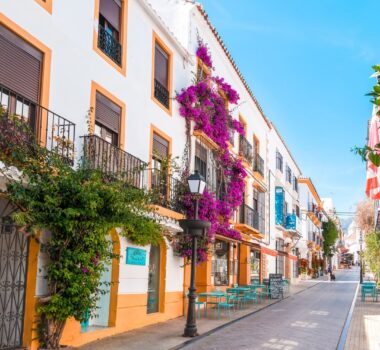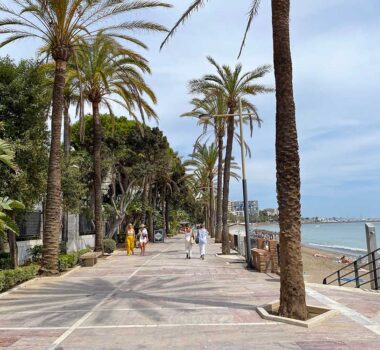
Marbella Old Town is at its best in the two months most visitors overlook: June and September. The beaches in July and August are full, the terraces are packed, and a table at 9pm means queuing or planning days ahead.
Ask anyone who lives here which months they would pick, though, and most give the same answer: June or September.
This is the shoulder season, the warm stretch on either side of peak summer. In the Casco Antiguo it is arguably the best version of the city you can experience. The weather is still gloriously summery, the sea is warm, the streets feel alive rather than overrun, and prices have not hit their August ceiling.
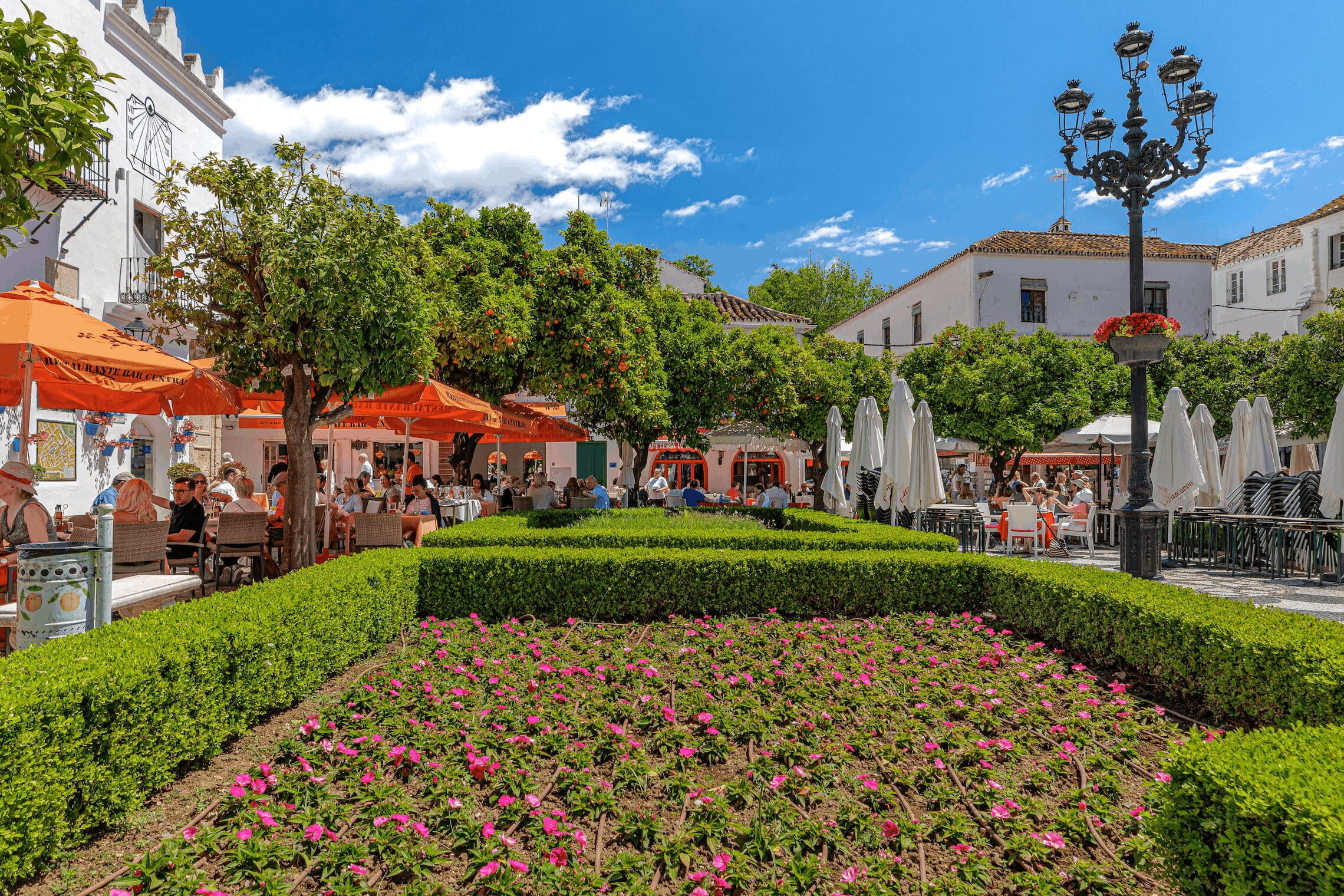
Why June and September are the best time to visit Marbella Old Town
The short answer is balance. You get real summer weather without the crush, real Andalusian atmosphere without the tourist-only feel, and softer prices on both stays and flights.
Each month has its own character, so here is what they actually feel like on the ground.
The weather: summer without the extremes
This is the question that decides most trips, so let’s start here.
June eases into summer rather than slamming into it. Daytime highs sit in the mid to high twenties Celsius (26 to 29°C), there is almost no rain, and you get roughly ten hours of sunshine a day with the longest daylight of the year.
The sea is around 20°C, refreshing rather than bathwater-warm, but perfectly swimmable. The heat itself is the bearable kind, with a sea breeze taking the edge off, so you can walk the Old Town’s stone streets at midday without melting.
September is the local secret. There is even a word for it here, veroño, a blend of verano (summer) and otoño (autumn), describing the way the coast holds onto summer long after the rest of Europe has packed it away.
Highs stay around 26 to 28°C, and the sea is at or near its warmest of the year, around 21 to 22°C, because the Mediterranean takes all summer to heat up and gives it back slowly. You might catch a single day of rain in the whole month.
Both months deliver real summer weather. What they do not deliver is the August crush.
June: Marbella Old Town at its most authentic
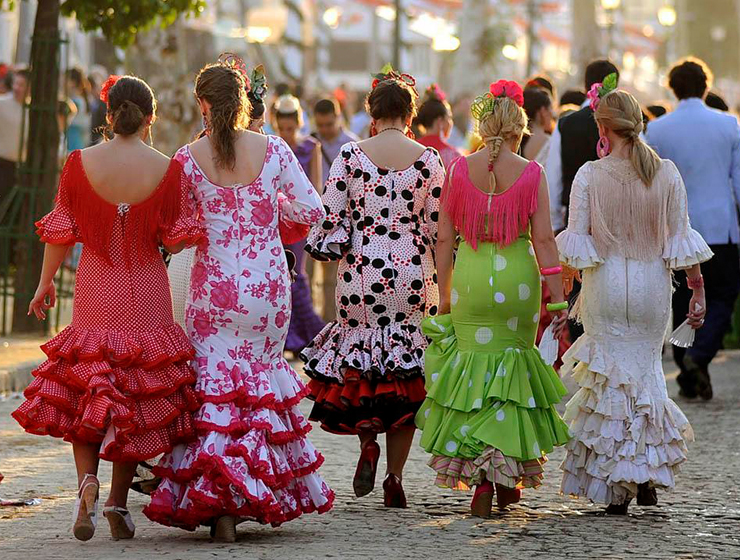
If you want to see the city behave like an Andalusian town rather than a resort, June is your month, and the reason is the Feria de San Bernabé.
In 2026 the feria runs from 8 to 14 June, and it is the biggest event in the calendar, held in honour of the city’s patron saint. What makes it perfect for a stay in Marbella Old Town is geography: the daytime fair, the Feria de Día, takes place right in and around the Casco Antiguo, the Alameda park and the Avenida del Mar.
That means flamenco dresses, horse-drawn carriages, live music, sherry and tapas spilling through the same streets you are staying on. On 11 June, the saint’s day proper, there is a solemn mass and a procession through the historic centre. Come evening, the action shifts to the fairground for rides, casetas and concerts that run late.
It is loud, joyful and completely genuine. If you would rather have the centre quiet, simply book around the feria week. Either way, June gives you the choice.
There is a second June highlight worth knowing: the Noche de San Juan on the 23rd, when locals head to the beach for bonfires, music and a midnight dip to mark midsummer. It is one of many free things to do in Marbella, and a short walk from the centre.
Because European families mostly travel in July and August, June still feels like you have arrived a little ahead of the rush.
September: warm sea, easy tables, end-of-summer glamour
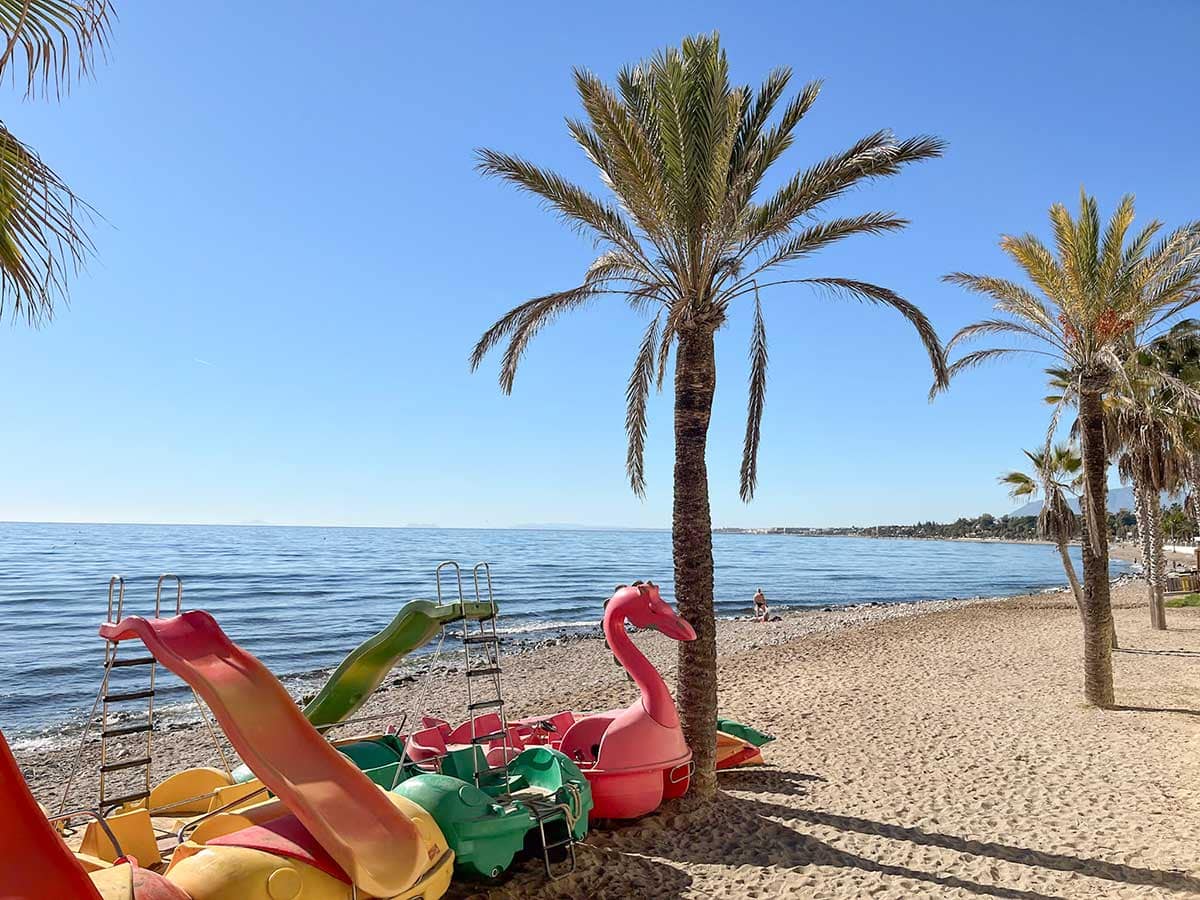
September flips the appeal. Where June is a city warming up, September is a city winding down gracefully.
The headline advantages are comfort and access. You can actually get a table. The tapas bars still have a buzz, but you can wander between them without booking a week ahead, and it is a great moment to try the new restaurants that opened in Marbella in 2026 while the service is unhurried.
The beaches are noticeably emptier, and the water is at its warmest, which makes September one of the best months for swimming and for a long lunch at the best chiringuitos near the Old Town.
It is also glamorous if you want it to be. The beach clubs throw their famous end-of-season closing parties in late September. Inland, the whitewashed villages hold their harvest fairs, and it is a fitting month to explore the best places for a glass of wine near your apartment.
The cooler evenings make it a great month for getting out to the Sierra de las Nieves or tackling La Concha, the mountain that watches over the bay, without the summer heat punishing you.
One honest note: after 31 August, some seasonal coastal operations scale back, and a few beach clubs and water-sports kiosks reduce their hours later in the month. Marbella Old Town itself stays fully open and lively, but if a specific beach club is on your list, check its dates first.
Shoulder season is kinder to your budget
Beyond weather and atmosphere, there is the simple matter of value. June and September sit outside the absolute peak, so accommodation prices are generally softer than the July to August summit, and there are plenty of ways to enjoy Marbella on a budget once you are here.
You pay less for a more comfortable experience, and your travel days are less likely to collide with the busiest, priciest flights of the year.
If you are weighing up how long to come for, the shoulder season is forgiving. A long weekend works beautifully, and the slower pace rewards a few extra days, as our guide on how many days you need in Marbella Old Town explains.
And if you are still deciding how to stay, a self-catering apartment in the centre is a very different proposition from a hotel, something we break down in apartment vs hotel in Marbella Old Town.
The bottom line: book the Marbella Old Town locals’ season
Peak summer is wonderful if you do not mind the crowds and the prices. But June and September quietly out-perform it on nearly every metric that matters.
The weather is still summery, the sea is warm (warmest of all in September), and the centre is alive with real Andalusian life, never more so than during the June feria. You spend less while enjoying more breathing room.
Book a self-catering apartment with Marbella Village in the heart of the Old Town and you will see exactly why the locals keep this season to themselves.
Frequently asked questions
Is June a good time to visit Marbella Old Town?
Yes. June offers warm, dry weather (highs of 26 to 29°C), the longest daylight hours of the year, a swimmable sea around 20°C, and the Feria de San Bernabé, the city’s biggest celebration, held largely in the Old Town. It is all the upside of summer before the peak-season crowds arrive.
Is the sea warm enough to swim in September?
Very. The Mediterranean is at or near its warmest in September, typically around 21 to 22°C, because it takes the whole summer to heat up. Combined with daytime highs in the high twenties, it is one of the best swimming months of the year.
When is the Feria de San Bernabé in 2026?
It runs from 8 to 14 June 2026, honouring Marbella’s patron saint. The daytime fair takes place in and around the Old Town, with the procession on 11 June and the night fair at the fairground on the edge of the city.
Is Marbella cheaper in June and September than in summer?
Generally, yes. As shoulder-season months they sit outside the July to August peak, so accommodation and flights are usually more affordable while the weather stays summery.
What is the weather like in Marbella in September?
Warm and settled. Locals call it veroño (summer-autumn). Expect daytime highs around 26 to 28°C, plenty of sunshine, a warm sea, and typically only a day or so of rain across the month.